A logo is a graphical representation or symbol that serves as a visual identifier for a company, product, or service. It is designed to be distinctive, functional, and easily recognizable. A logo can be a wordmark (logotype), lettermark (monogram), combination mark, or an emblem.
Purpose of a Logo
The primary purpose of a logo is to act as an identifier that can help consumers recognize and remember a brand. It represents a brand’s values, personality, and message in a concise visual format. A well-designed logo can create a memorable first impression, attract audiences, and build brand loyalty over time.
Types of Logos
There are mainly four types of logos:
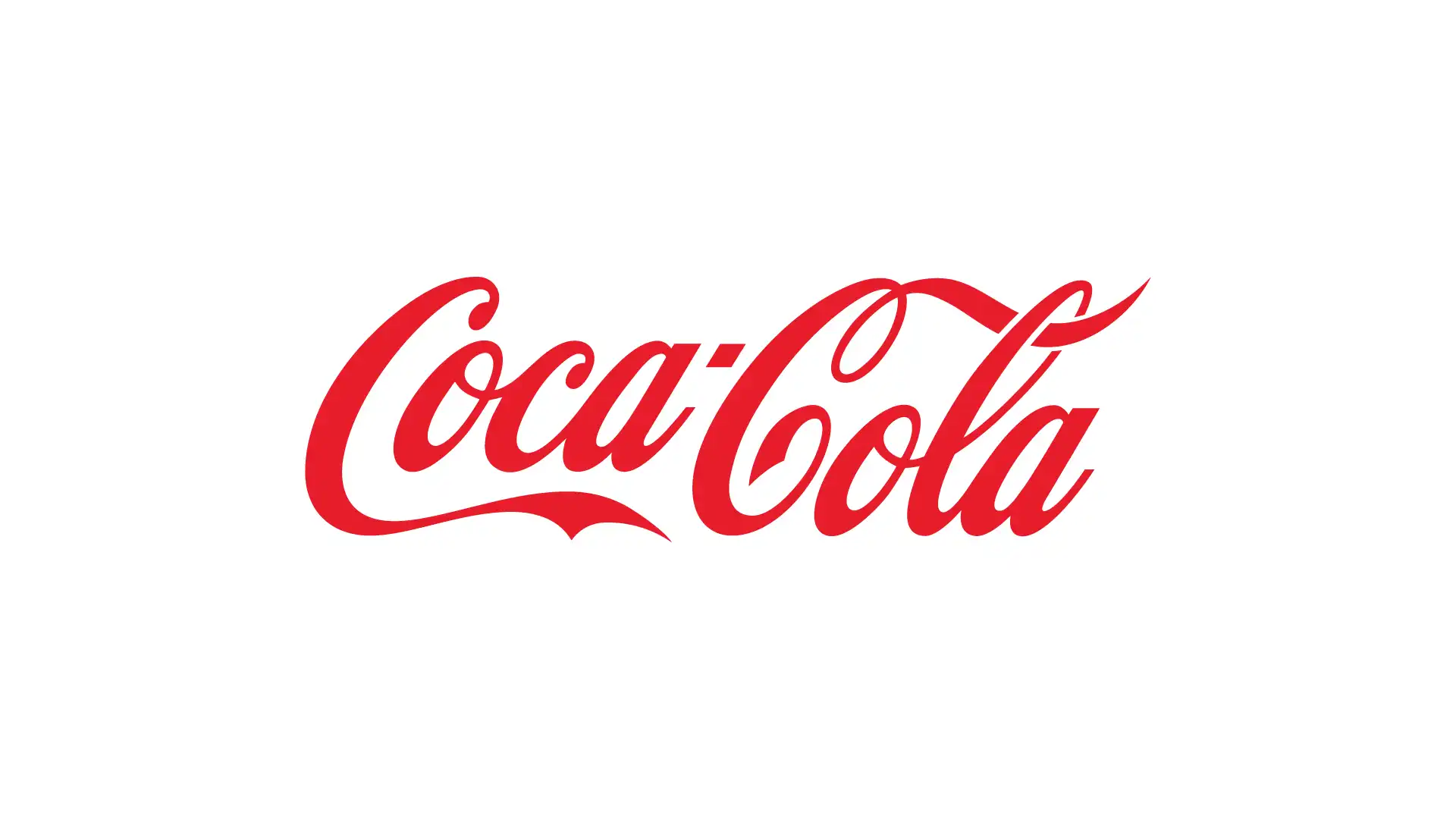
1. Wordmark (logotypes): A wordmark or a logotype is a logo that uses only the text representing the name of a company, product, or service. Example: Coca-Cola.
2. Lettermark (monograms): A lettermark or a monogram is a logo that uses initials or abbreviations of the brand. Example: IBM.
3. Combination Mark (symbol + logotype): A combination mark is a type of logo that combines a logotype and a symbol. The symbol could be a pictorial representation, abstract mark, or mascot. Example: Nike.
4. Emblem: An emblem is a type of logo that uses text and imagery within a geometric shape, such as a badge, seal, or crest. This type of logo is known for its traditional and authoritative appearance. Example: FCB.
Which type of logo is best for a company or a product?
There is no specific formula that can predict which type of logo is best. This decision is taken during the exploration process. The determining factor is mainly the ability of the logo to effectively communicate the company’s vision to its target market.
Qualities of a good logo
A good logo is:
1. Simple: A logo has to be clear and simple. Anyone who reads it should not be confused by its design. Simplicity helps with easy recognition and recall. A simple logo can be easily scaled, adapted, and reproduced across various mediums and sizes without losing its integrity.
2. Unique: A logo has to be original and distinctive to be patentable. If a logo resembles or looks exactly like another design, it will confuse the purchasers and be difficult to register as a trademark.
3. Appropriate: Appropriateness ensures that the logo accurately represents the brand’s values, mission, and personality. It should be suitable for the industry it represents. An appropriate logo helps build trust and credibility, as it aligns with customer expectations and cultural norms.
4. Memorable: A memorable logo is easy to recall and sticks in the minds of the audience. It increases the likelihood that customers will think of the brand when they need the product or service.
5. Functional: A functional logo works perfectly across all digital and print applications. It maintains its clarity and impact, whether it is scaled up for large formats or down for smaller applications.
6. Timeless: A logo gains strength over time. It needs to be timeless to ensure it remains relevant and effective over the long term.
Where are Logos used?
Logos are used almost everywhere, from business cards to websites, products, packaging, advertising materials, social media platforms, stationery, uniforms, and branded merchandise.
Examples of good logos
Some of the examples of good logos are:
Who designs logos?
Anyone can design a logo, but not everyone can design the right logo. Logos are professionally designed by experienced designers or design studios that specialize in trademarks and brand identity design. They usually have a team of creative directors, researchers, graphic designers, trademark experts, and print experts who work together to design a logo that is simple, unique, appropriate, memorable, functional, and timeless.
Who are considered the best logo designers of all time?
Some of the best logo designers of all time include iconic figures like Paul Rand, Saul Bass, Sudarshan Dheer, Tom Geismar, and Lester Beall. Renowned design studios such as Pentagram, Chermayeff & Geismar & Haviv, and The Branvetica have also made significant contributions to the world of logo design, creating memorable and impactful logos that have stood the test of time.